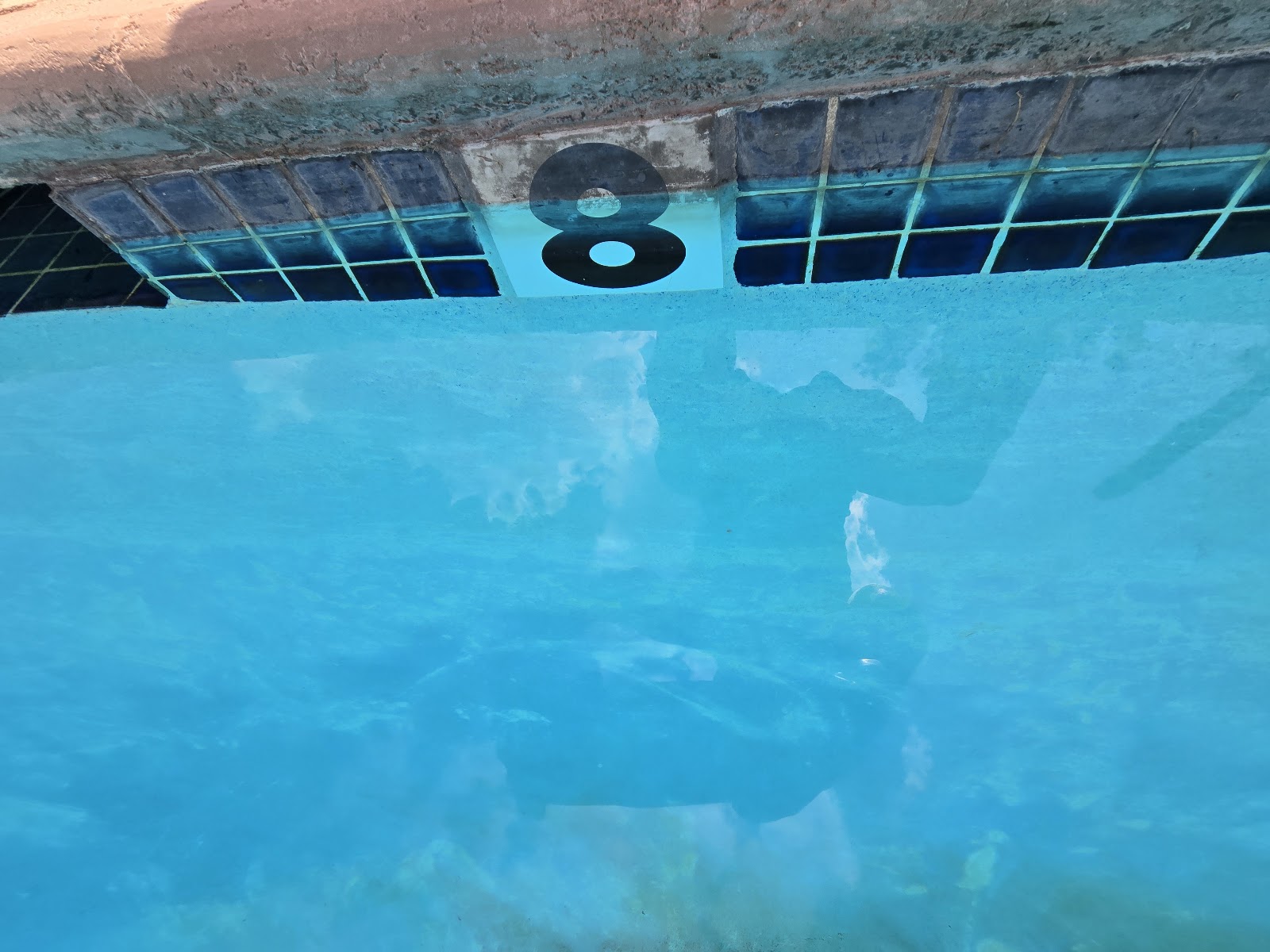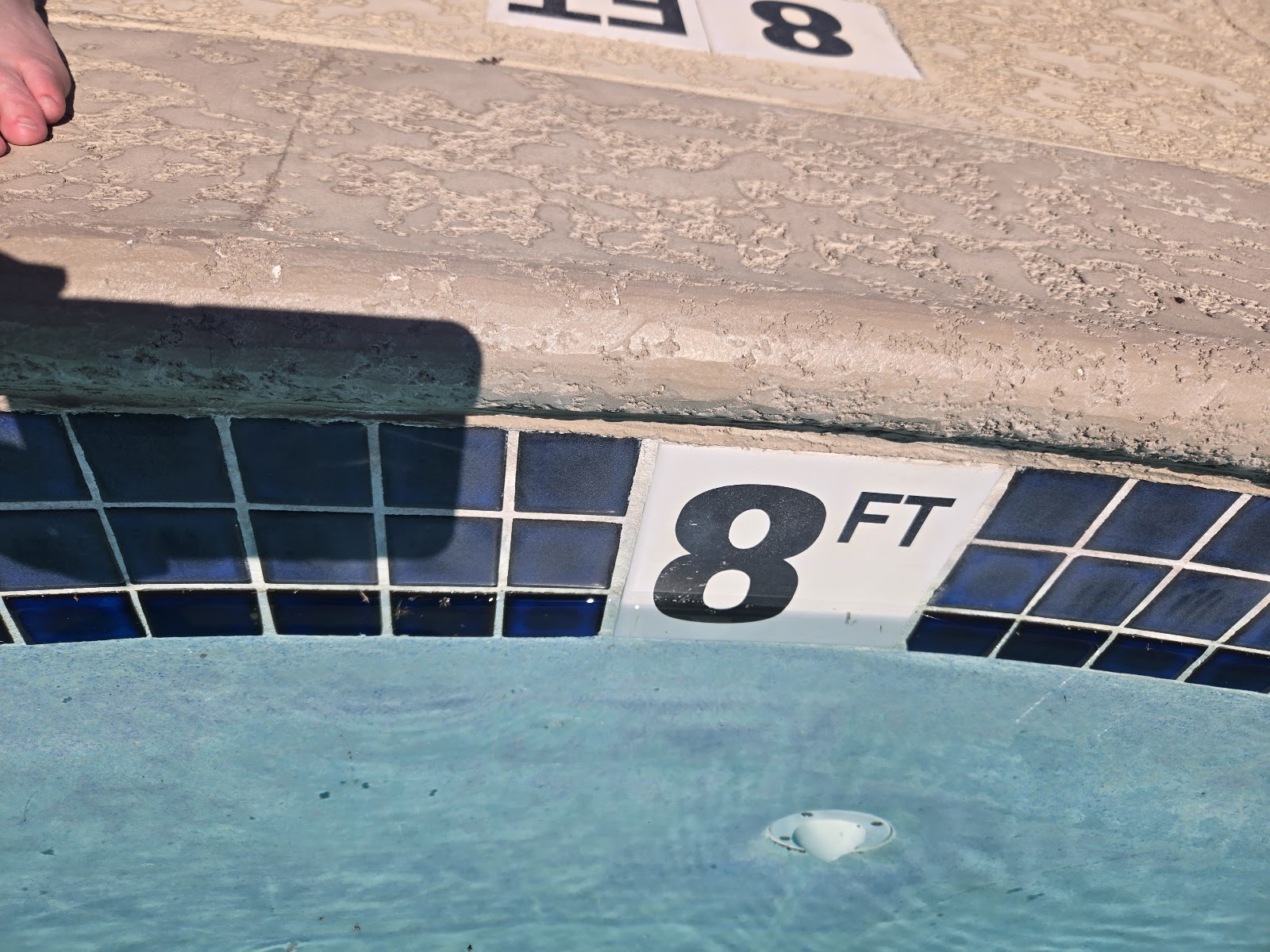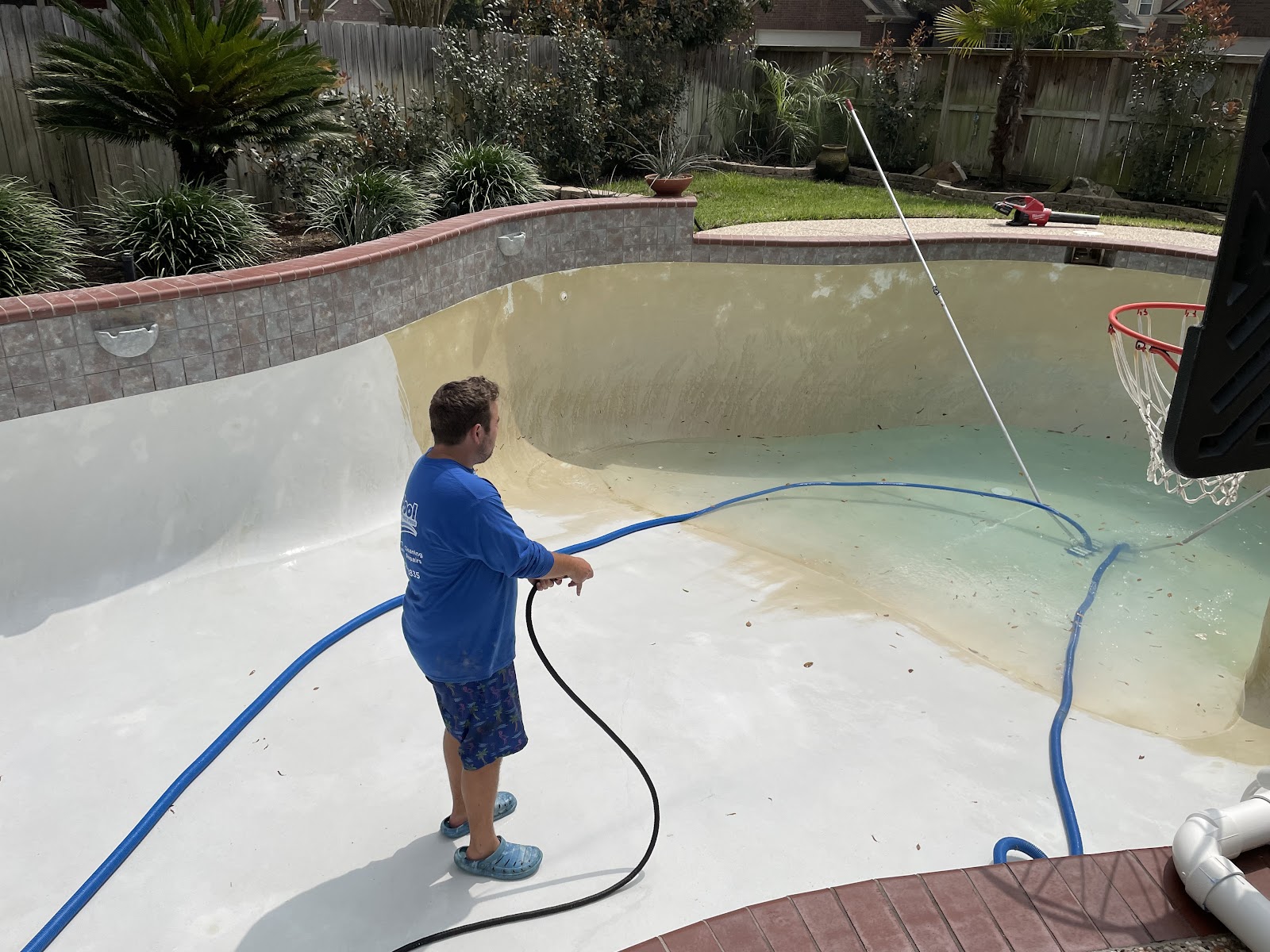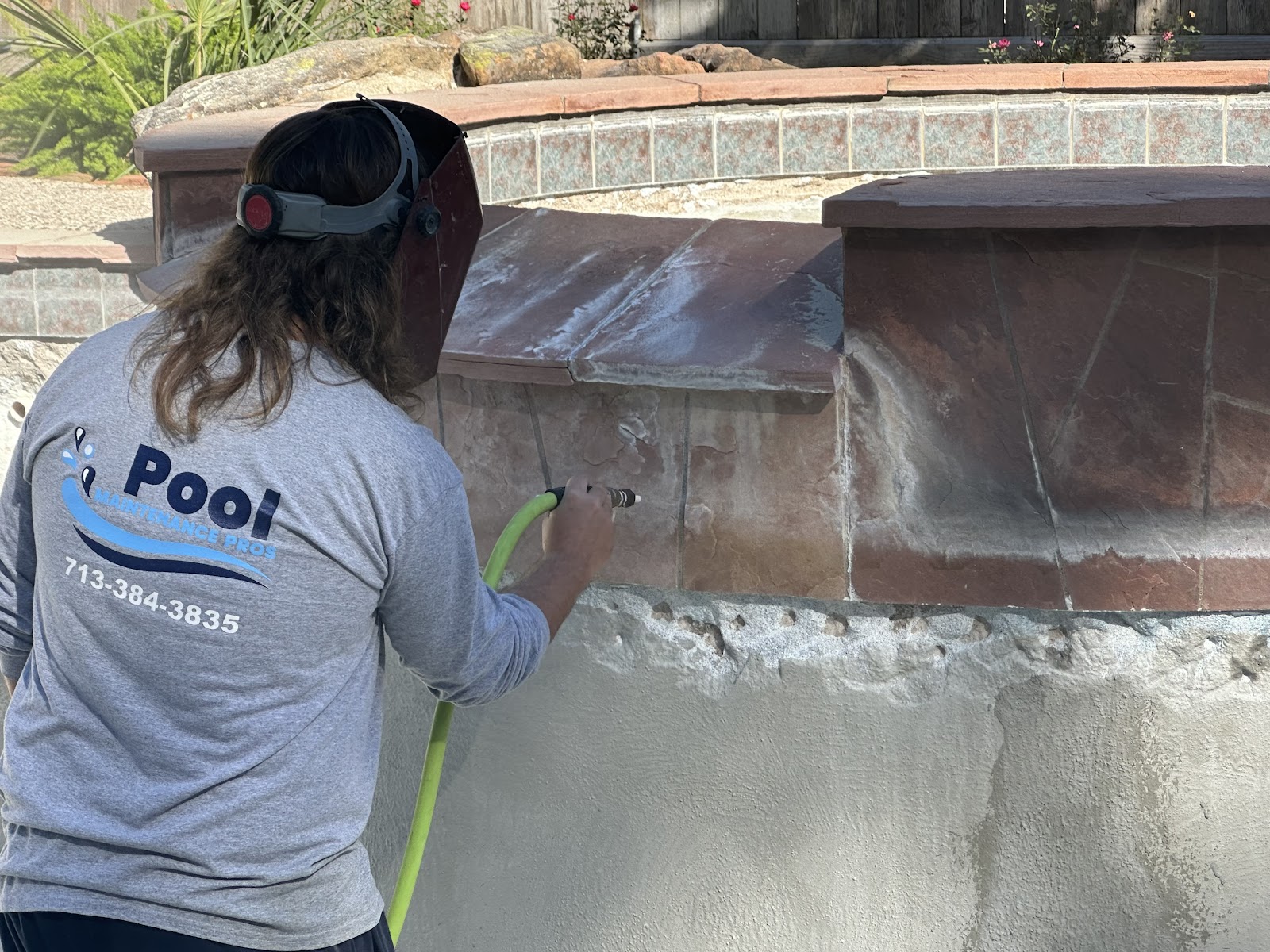
If you've noticed your pool plaster is getting rough to the touch or starting to look etched and dull, you've got a real problem that won't fix itself. Rough plaster means the protective surface is breaking down. Etching happens when the water chemistry gets out of balance, and acids in the pool eat away at the calcium carbonate in the plaster. Both issues get worse over time, and they can lead to leaks, staining, and eventually a full replaster job that costs thousands. The good news is that catching it early and understanding what caused it can save you money and headaches down the road.
Check Your Water Chemistry First
Before you panic about the plaster itself, get your water tested. Most rough or etched plaster starts with chemistry problems. In Montgomery's heat, pH and alkalinity can drift fast. If your pH is too low, the water becomes acidic and eats the plaster. If alkalinity is off, the pH swings wildly and nothing stays stable. Calcium hardness matters too. If it's too low, the water pulls calcium out of the plaster to balance itself. That's etching. If it's too high, you get scaling and cloudy water. You can grab a test kit from any pool supply store, or better yet, bring a water sample to a local shop and get a full analysis. It costs nothing and tells you exactly what's happening in your water.
Understand the Difference Between Rough and Etched
Rough plaster feels gritty or sandpapery when you run your hand across it. It's usually caused by algae, calcium buildup, or the plaster just wearing down from use and weather. You can sometimes improve rough plaster with aggressive brushing and proper chemical balance. Etched plaster looks pitted or corroded, like tiny holes have been eaten into the surface. It's permanent damage from acidic water. Etching can't be scrubbed away. Once it's there, your options are limited. You can seal it, live with it, or eventually replaster. Run your hand across the problem area and look at it in direct sunlight. That'll tell you which one you're dealing with.
What You Can Do Right Now
Start by getting your chemistry locked in. Bring your pH to 7.2 to 7.6, alkalinity to 80 to 120 ppm, and calcium hardness to 200 to 400 ppm. Once those are stable, brush the pool daily for a week with a stainless steel brush. This removes algae, loosens scale, and helps the plaster absorb any protective chemicals you add. If you have rough plaster from buildup, this aggressive brushing often improves the feel and look. For etched plaster, brushing won't fix it, but keeping the water balanced stops it from getting worse. Consider adding a plaster protection product. These are liquid sealers that form a thin protective layer over the plaster and can slow down further etching. They're not permanent, but they buy you time.
When to Call a Professional
If the rough or etched area covers more than a small section, or if you've had it for months and it's not improving, you need a professional evaluation. In Montgomery, pool service companies like Pool Maintenance Pros can assess whether you're looking at a simple chemistry fix or real structural damage. Sometimes what looks like etching is actually a thin layer of plaster that's separating, and only a trained eye catches that. If the pitting is deep or widespread, replastering is the real solution. It's expensive, usually five to fifteen thousand dollars depending on pool size, but it's the only permanent fix. You can't patch etched plaster. You have to start fresh.
How to Prevent This Going Forward
The honest answer is consistency. Test your water at least twice a week during summer. Once a week minimum in winter. Brush the pool at least twice a week. Keep your filter clean and your pump running the right number of hours per day. In Montgomery heat, that's usually eight to twelve hours depending on your pool size and sun exposure. Don't let the water sit untreated if you're away. Don't skip acid washes just because the pool looks fine. Small maintenance habits cost way less than a replaster. If you're not comfortable testing chemistry or you hate doing it, hire a service to come by weekly. It's cheaper than you think and keeps your plaster healthy.
If you're seeing rough or etched plaster in your Montgomery pool, the first step is honest. Get your water tested and find out if this is a chemistry problem or actual plaster damage. Pool Maintenance Pros can help you figure out what you're looking at and what the right next step is. Call us and we'll walk you through your options.