When a patch peels away from your pool wall or floor after just a few weeks, it usually means one of two things went wrong during the repair itself or the pool conditions weren't right for the patch to bond properly. Most homeowners in Montgomery think a patch is just a patch, but the reality is more complicated. The material matters, the surface prep matters, and the timing of when you patch matters a lot. We see failed patches all the time, and almost every one traces back to a specific mistake that could have been prevented.
Patching Over Dirty or Algae-Covered Surfaces
The number one reason patches fail is that the surface wasn't clean enough before the patch went on. Your pool walls and floor are constantly collecting algae, calcium deposits, and a thin film of biofilm that you can't always see. If you or another service applies a patch over that layer, the adhesive never actually bonds to the pool surface. It bonds to the algae and grime instead, which will eventually slough off and take the patch with it.
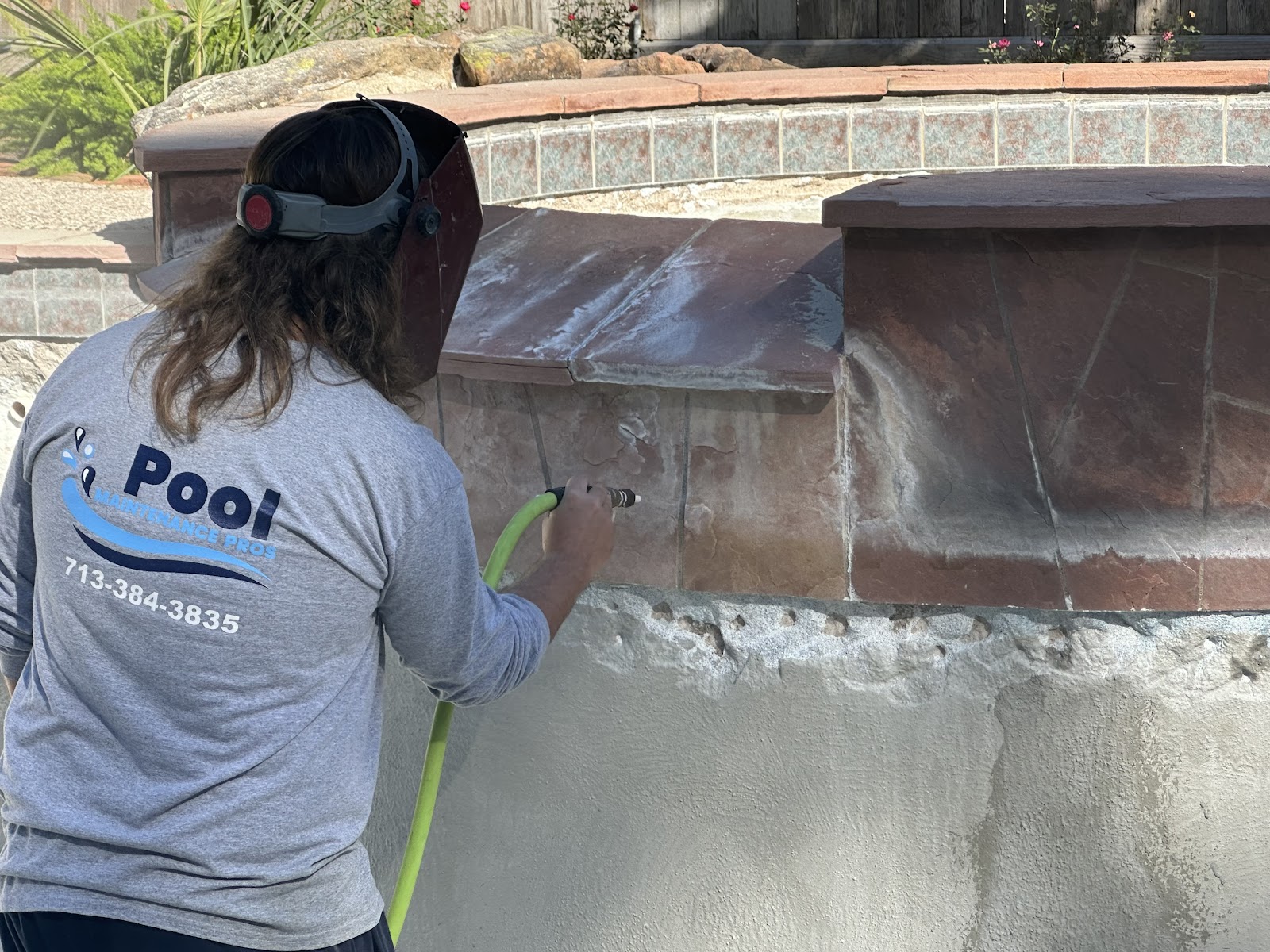
We always acid wash or chemically clean the damaged area before patching. That means removing any visible algae, scrubbing away mineral buildup, and letting the pool chemistry stabilize before we apply anything. In Montgomery's heat and humidity, algae can regrow fast, so timing matters. A patch applied on Monday might fail by Friday if the pool wasn't brushed and treated properly in between.
Using the Wrong Patch Material for Your Pool Type
Not all patches work for all pools. Vinyl patch kits from the hardware store are cheap, but they're designed for small tears in vinyl liners, not structural cracks in concrete or plaster. If you have a concrete pool with a plaster finish and you use a vinyl patch, it won't adhere properly because the materials don't bond the same way.
Concrete pools need concrete patches or epoxy-based products. Vinyl pools need vinyl patches designed for underwater use. Plaster pools sometimes need hydraulic cement or a specialized plaster patch. We carry the right materials for each pool type because using the wrong one is just throwing money away.
Applying Patches to Wet Surfaces or Unstable Pool Chemistry
Water chemistry throws a lot of people off. If your chlorine is too high or your pH is way out of range, patches won't cure properly. The chemical environment prevents the adhesive from setting the way it's supposed to.
Also, some patches need to be applied to a dry surface or at least a surface that's been prepped correctly. If you're patching a crack in plaster, the area needs to be damp but not dripping wet. If you're doing an underwater patch on a vinyl liner, you need a different approach entirely. Timing and moisture control are critical, and most DIY attempts don't account for this.
Not Addressing the Underlying Problem
Sometimes a patch fails because the real issue wasn't fixed. If you have a crack that's still moving because of ground settling or pressure from the water, a patch is just a temporary fix. The crack will grow again, and the patch will fail again.
We've seen homeowners patch the same spot three or four times before they called us. The real solution might have been draining the pool to let the ground settle, or repairing the pool structure itself, not just covering the symptom. A patch is appropriate for small cracks and tears, but larger structural problems need structural solutions.
Skipping the Curing Time
Patches need time to cure before the pool is used normally. Depending on the product, that can be 24 hours, 48 hours, or even longer. If you're filling the pool or running the pump while the patch is still setting, you're asking for it to fail.
We always give customers a clear timeline on when they can return to normal pool use. Jumping in to test the water or running the filter too soon is one of the fastest ways to ruin a fresh patch.
Working with the Right Service the First Time
Getting a patch right means doing the prep work, choosing the right material, managing water chemistry, and respecting cure times. It's not complicated, but it does require experience and attention to detail. When you cut corners on any of these steps, you end up paying for the same repair twice.
If you've had patches fail before, or if you're dealing with a crack or tear right now, call Pool Maintenance Pros llc in Montgomery. We'll assess what's actually going on with your pool, use the right materials for your specific situation, and make sure the repair stays fixed.